






























Main Types of Industrial Spray Processing
Surface pre treatment is the decisive step for long term coating performance. Degreasing, dust removal and surface activation guarantee stable adhesion between paint film and base material. Most peeling defects trace back to incomplete pre treatment.
UV spraying applies UV curable liquid paint. Under UV LED irradiation, resin finishes cross linking within seconds. It features low VOC emission, fast cycle speed and pencil hardness up to 4 5H, ideal for plastic components of consumer goods.
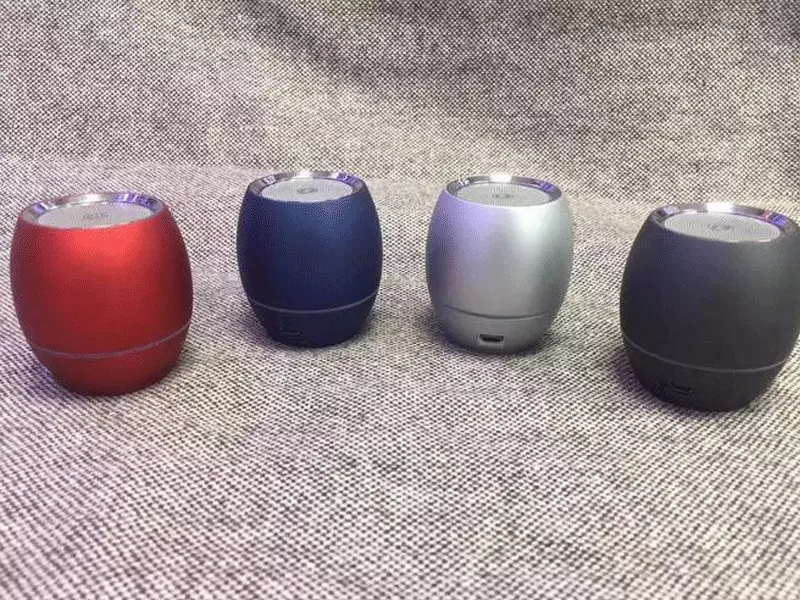
Powder coating uses dry powder particles. Powder absorbs onto grounded workpieces through electrostatic force and solidifies after high temperature baking. Over sprayed powder can be recycled, generating minimal solvent waste. It is widely used for aluminum profiles, cabinet shells and metal hardware.
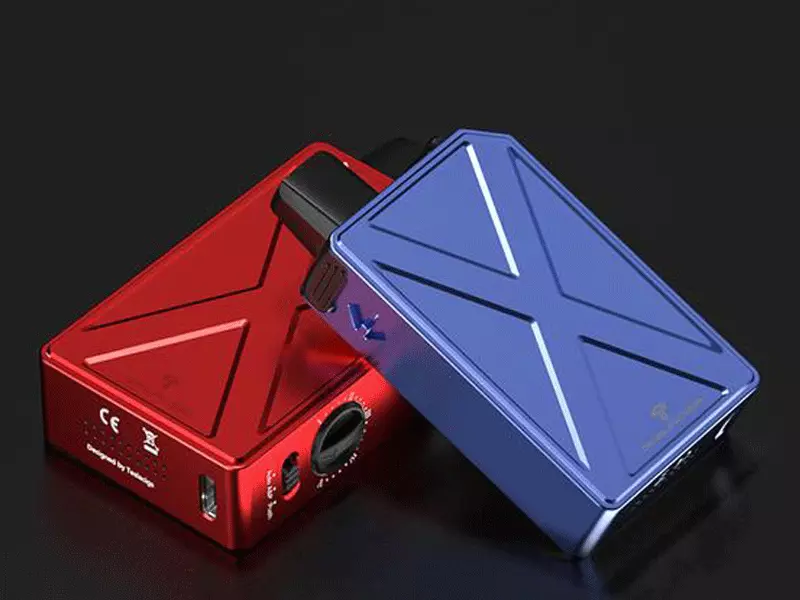
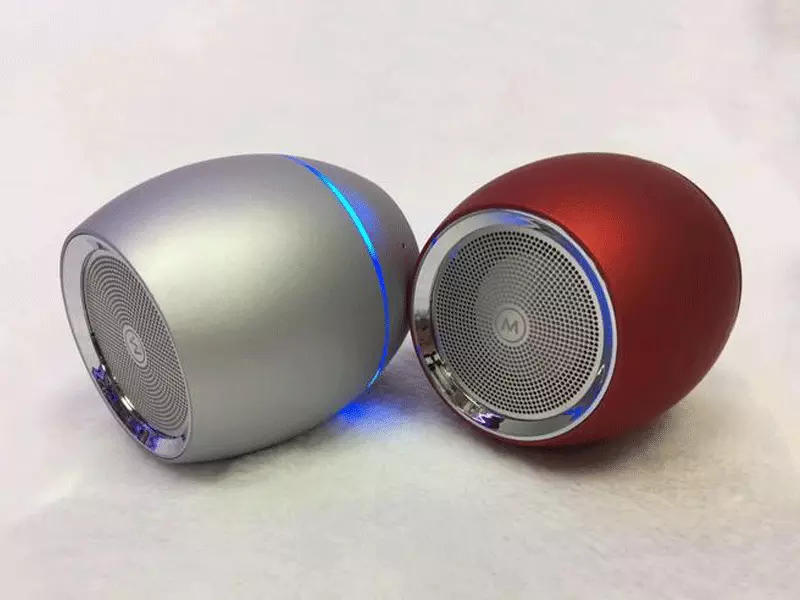
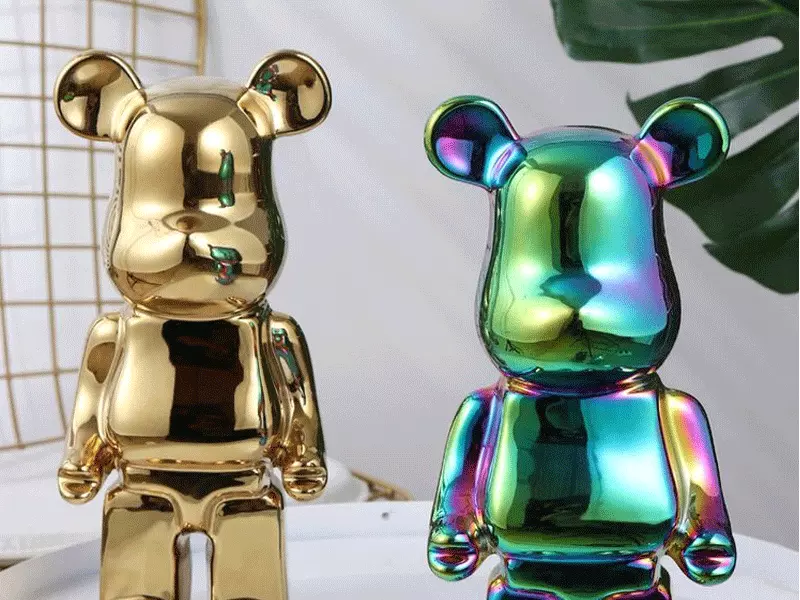
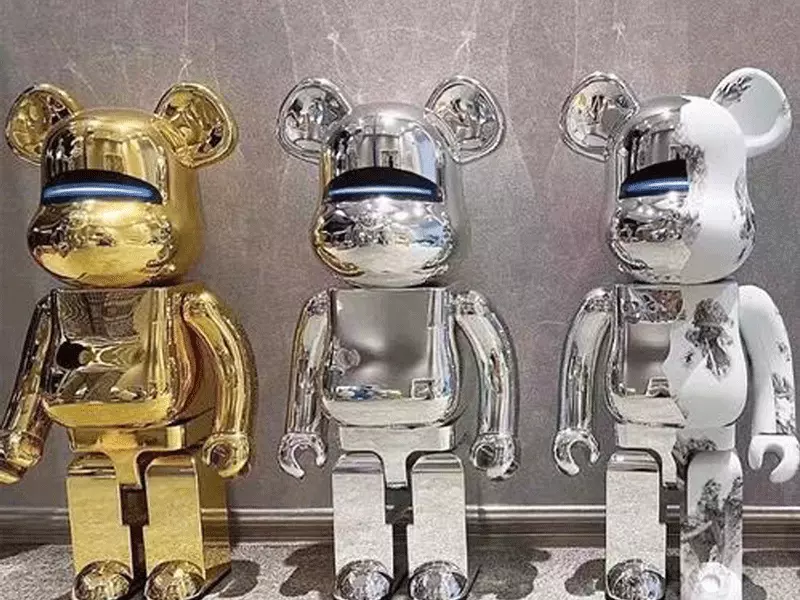
Conventional liquid spraying supports unlimited color customization including gloss, matte, metallic and gradient effects. It fits complex shaped parts with curved surfaces, grooves and undercuts. Compared with vacuum coating, spray processing has lower equipment threshold and competitive unit cost, supporting both small batch prototyping and large volume orders.
Common spray defects include orange peel, pinholes, color deviation and paint peeling. Suppliers need stable curing parameters, dust controlled workshops and waste gas treatment systems to keep consistent quality. When sourcing spray service, verify coating hardness, salt spray standard and raw material certificates.