






























Core Applications of Vacuum PVD Coating
Vacuum PVD coating, short for Physical Vapor Deposition, is a high performance dry surface finishing technology widely adopted across modern manufacturing. All deposition procedures take place inside high vacuum chambers. Solid target materials are converted into atomic or molecular particles via evaporation, magnetron sputtering or arc evaporation, then deposit evenly onto workpiece surfaces to form ultra thin functional films at nanometer micrometer scale.
Unlike traditional electroplating, PVD vacuum coating produces nearly no toxic wastewater, which makes it a preferred eco friendly alternative for global manufacturers. The molecular level bonding delivers outstanding adhesion, high surface hardness and reliable corrosion resistance. Film thickness can be precisely controlled to meet decorative and functional requirements.
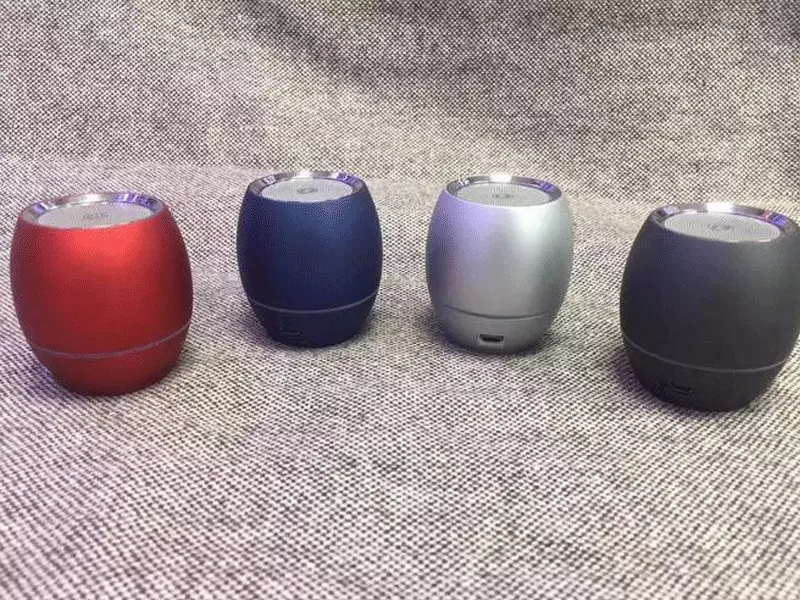
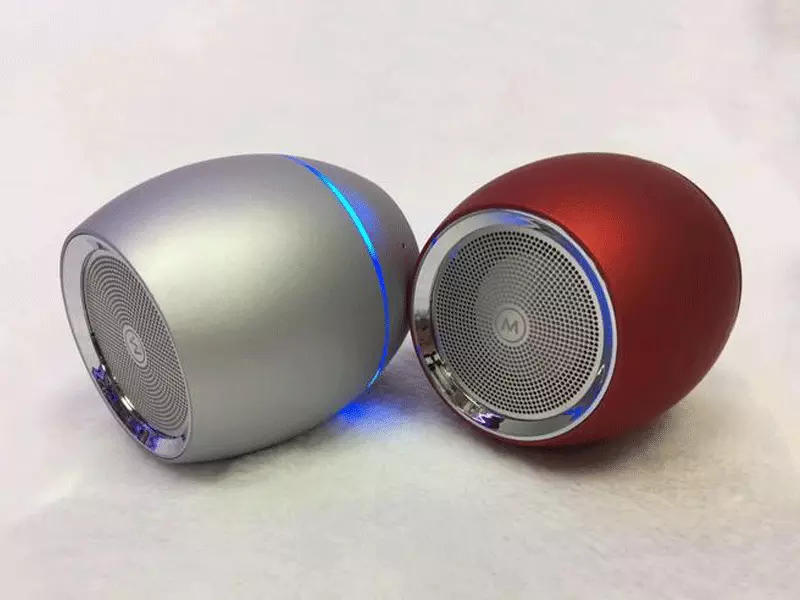
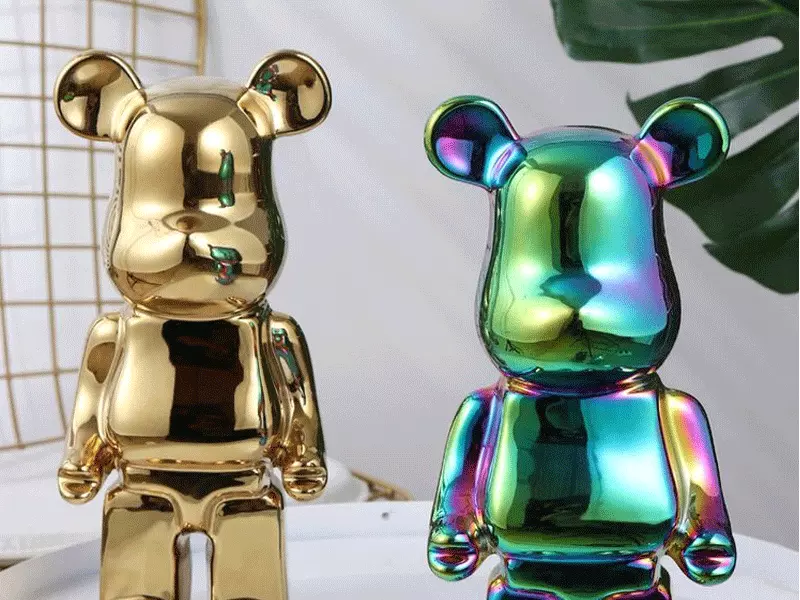
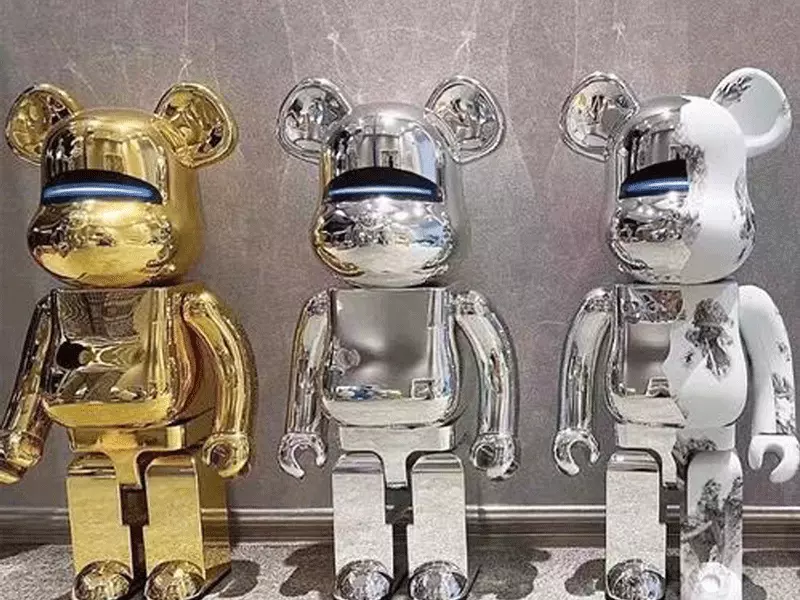
Three mainstream PVD types dominate outsourcing processing: magnetron sputtering for uniform thin films of electronics and optical components; arc evaporation for hard decorative coatings on metal hardware; vacuum evaporation for cost effective plastic metallization for cosmetic packaging.
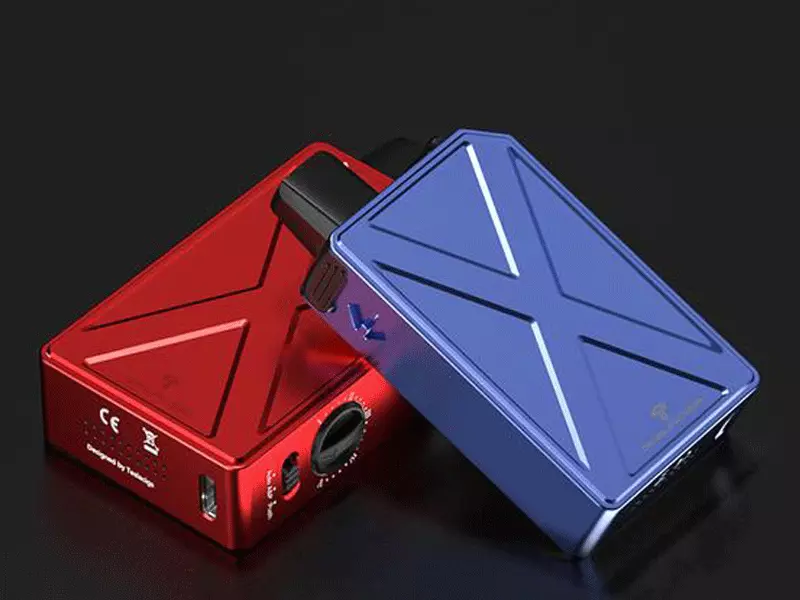
This technology serves multiple key sectors. Consumer electronics rely on PVD for scratch resistant frames and electromagnetic shielding layers. Automotive industry applies vacuum metallization on interior trims and hub accessories. Optical parts gain anti reflection and anti fingerprint thin films. Medical hardware obtains biocompatible surface finishes meeting strict hygiene standards.
However, vacuum coating has clear limitations. Equipment investment remains high. Parts with deep cavities or complex inner geometry may suffer uneven film distribution. Heat sensitive plastic substrates need temperature evaluation before mass production.
If you plan to outsource vacuum coating services, focus on film thickness consistency, cross cut adhesion test results and salt spray performance. Confirm the supplier’s clean shop environment and complete QC workflow before sample orders.
Next: No More